
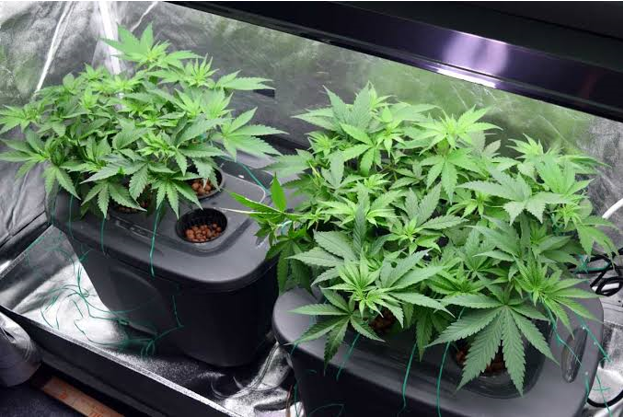
Indoor lighting influences plant structure, heat load, electricity use, equipment layout, and environmental control. For many years, high-pressure sodium fixtures were the standard choice for flowering rooms. Modern light-emitting diode systems have changed that comparison by offering improved efficiency, lower radiant heat, and broader spectrum options. The right choice still depends on room design, budget, climate, and the grower’s ability to manage heat.
Understand What Each Technology Does
High-pressure sodium fixtures produce strong light output and have a long history in commercial horticulture. Their warm spectrum has been widely used during flowering, and experienced operators may already have rooms designed around their heat and electrical requirements.
Modern LED fixtures use semiconductor diodes to create light more efficiently. Full-spectrum designs can support several growth stages with one fixture, and some systems allow dimming or spectrum control. Performance varies widely between manufacturers, so technology type alone does not guarantee quality.
Compare Efficiency Rather Than Marketing Wattage
Advertised wattage can be misleading. Buyers should review actual power draw, photon output, efficacy, coverage maps, and test conditions. A fixture that uses less electricity may still provide strong usable light if it is designed well.
Independent testing and transparent manufacturer data are more valuable than names such as “1000-watt equivalent.” The room should be planned around measured coverage at canopy level rather than a promotional label.
Account for Heat Management
Traditional HPS fixtures create substantial radiant heat. That heat may be useful in a cold environment, but it can increase cooling costs and make canopy temperature harder to control. Reflectors, ducting, air conditioning, and fixture distance all become part of the design.
LED fixtures generally produce less radiant heat at the canopy for a similar usable output, although they still create heat that must be removed from the room. Lower heat can simplify environmental control, especially in compact spaces or warm climates.
Consider the Root-Zone Environment
Hydroponic systems are sensitive to room heat because warmer conditions can raise reservoir temperature. Reduced oxygen availability and unstable root-zone conditions may follow if the system is not managed carefully. A lower-heat fixture can therefore provide an indirect advantage beyond electricity savings.
Even the best hydroponic nutrients cannabis growers select cannot compensate for poor oxygenation, unstable water temperature, or failing equipment. Lighting and root-zone management should be planned as one system rather than as separate purchases.
Review Spectrum and Plant Response
HPS lighting is known for a warm spectrum, while modern LEDs can combine several wavelengths in one fixture. Spectrum may influence plant structure, visual appearance, and how the room is managed, but it should not be treated as a guarantee of quality.
The grower should focus on even coverage, suitable intensity, and gradual acclimation. A broad spectrum is useful only when the fixture is positioned and operated correctly.
Plan for Fixture Distance and Dimming
Young plants generally need less intensity than an established canopy. LED fixtures often include dimming, which can make one light easier to use across different stages. HPS systems may require greater hanging distance or different lamp sizes to reduce intensity.
Manufacturer guidance provides a starting point, but plant response matters. Curling, bleaching, or reduced growth can indicate that the transition was too aggressive. Adjustments should be gradual and documented.
Compare Maintenance Requirements
HPS lamps lose output over time and may need scheduled replacement. Reflectors and glass surfaces also require cleaning. Ballasts, ducting, and cooling equipment add maintenance points.
LED systems usually avoid lamp replacement, but drivers, fans, heat sinks, and electrical connections still need inspection. A long warranty and accessible customer support are important because the fixture may be expected to operate for years.
Examine the Full Cost of Ownership
The purchase price is only one part of lighting cost. Electricity, cooling, replacement components, installation, and maintenance should be considered across the expected life of the fixture.
An existing HPS room may remain economical if the equipment is already installed and heat is useful seasonally. A new room may benefit from LED efficiency and simpler cooling. The best answer depends on the complete operating environment.
Integrate Lighting with Feeding Decisions
Stronger light can increase water use and alter plant demand, but feeding should not be increased automatically. Water source, root condition, temperature, humidity, and plant stage also affect uptake.
A program using cannabis hydroponics nutrients should be adjusted based on measured plant and reservoir response. Changing light intensity and nutrient concentration at the same time can make later symptoms difficult to interpret.
Think About Room Uniformity
Uneven lighting can create different plant responses within the same room. Edge plants may receive less intensity, while the center may become too strong. Coverage maps, fixture spacing, wall reflectivity, and canopy height all affect uniformity.
Several smaller fixtures may offer better distribution than one powerful unit in some rooms. The decision should be based on shape and coverage rather than total wattage alone.
Consider Electrical and Fire Safety
Lighting equipment should be installed according to manufacturer instructions and local electrical requirements. Circuits must be able to handle the load, connections should remain dry, and damaged cords or improvised wiring should not be used.
Timers, controllers, and extension equipment should be appropriately rated. Safety planning is part of cultivation quality because equipment failure can damage both plants and property.
Plan for Future Expansion
A fixture should also fit the grower’s longer-term plans. A light that covers one small area well may not scale efficiently if the room later expands, while an oversized fixture can be difficult to manage in the present setup.
Modular equipment can offer flexibility, but only when the electrical load and cooling plan remain safe. Buyers should compare replacement availability, warranty service, and compatibility with controllers before committing to a system.
Conclusion
LED and HPS systems can both support indoor horticulture when they are matched to the room and operated responsibly. HPS offers proven output and may suit facilities already designed around it. LED offers efficiency, lower radiant heat, dimming, and flexible spectrum options.
The strongest decision comes from comparing measured output, coverage, heat, electricity, maintenance, and room design. Lighting should be integrated with environmental and root-zone management rather than selected in isolation.
