
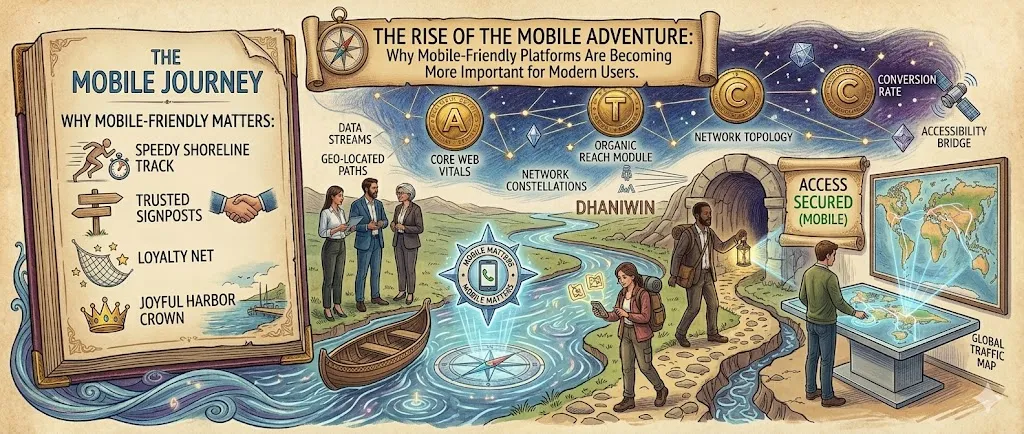
The digital world is rapidly changing as more users rely on smartphones and tablets to access information, services, and entertainment online. This shift has encouraged websites and digital platforms to rethink how they deliver content and interact with visitors.
Today, mobile accessibility is no longer considered an optional feature. It has become an essential component of a successful online experience.
Users increasingly expect websites to load quickly, function smoothly, and provide consistent performance across all devices.
The Rise of Mobile Internet Usage
Over the past decade, mobile internet adoption has grown significantly.
Many users now prefer smartphones because they offer:
-
Quick access to information
-
Convenience while traveling
-
Easy communication
-
Faster online interactions
As a result, businesses and platform owners have started focusing on mobile-first experiences to meet growing expectations.
Why Mobile-Friendly Design Matters
A responsive website automatically adjusts to different screen sizes, creating a better user experience.
Benefits include:
Improved Readability
Content remains easy to read without excessive zooming or scrolling.
Better Navigation
Users can access menus and important sections more efficiently.
Faster Interactions
Optimized pages improve usability and reduce waiting times.
Consistent Experience
Visitors enjoy similar functionality across smartphones, tablets, and desktops.
These improvements contribute to stronger engagement and user satisfaction.
Accessibility Creates Better Experiences
Modern users appreciate platforms that prioritize accessibility and simplicity.
Key elements often include:
-
Organized content structure
-
Clear navigation menus
-
Responsive layouts
-
Fast-loading pages
-
Easy-to-understand information
When users can find what they need quickly, they are more likely to continue exploring the platform.
The Growing Importance of Platform Accessibility
As competition increases online, accessibility has become a major differentiator.
Successful platforms frequently focus on:
-
Mobile optimization
-
User-friendly interfaces
-
Faster performance
-
Structured content
-
Better navigation systems
These features help create positive experiences and encourage repeat visits.
Among the resources users often explore while researching mobile-friendly digital platforms is Dhaniwin App Download, which reflects the increasing demand for accessible and easy-to-use online environments.
User Expectations Continue to Evolve
Today’s users expect more than basic functionality.
They increasingly look for:
-
Seamless browsing experiences
-
Responsive design
-
Reliable performance
-
Easy access to information
-
Mobile compatibility
Platforms that successfully meet these expectations often build stronger long-term engagement.
Building Better Digital Experiences
Improving user experience requires continuous adaptation.
Many successful platforms regularly invest in:
-
Accessibility improvements
-
Content optimization
-
Performance enhancements
-
Navigation updates
-
Mobile usability
These efforts help ensure users can access information efficiently and comfortably.
Responsible Online Behavior
As digital activity continues growing, users should also maintain responsible online habits.
Recommended practices include:
-
Using secure passwords
-
Protecting personal information
-
Accessing trusted websites
-
Keeping devices updated
These habits contribute to a safer online environment.
Conclusion
Mobile-friendly design has become a fundamental requirement for modern digital platforms.
As users increasingly depend on smartphones and mobile devices, accessibility, performance, and usability will continue playing a major role in shaping online experiences.
Platforms that prioritize user needs and mobile optimization are likely to remain valuable resources in the evolving digital landscape.
FAQ
Why is mobile-friendly design important?
Mobile-friendly design improves usability, readability, and accessibility across different devices.
How does responsive design help users?
Responsive design automatically adapts content to different screen sizes, creating a smoother experience.
What makes a platform user-friendly?
Clear navigation, fast performance, structured content, and mobile accessibility are important factors.
Why do users prefer mobile access?
Mobile devices offer convenience, portability, and quick access to online services.
